
Since 2006, the Council on Community-Based Partnerships has been recognizing innovation in community engagement at the Annual Excellence in Community Engagement Awards.
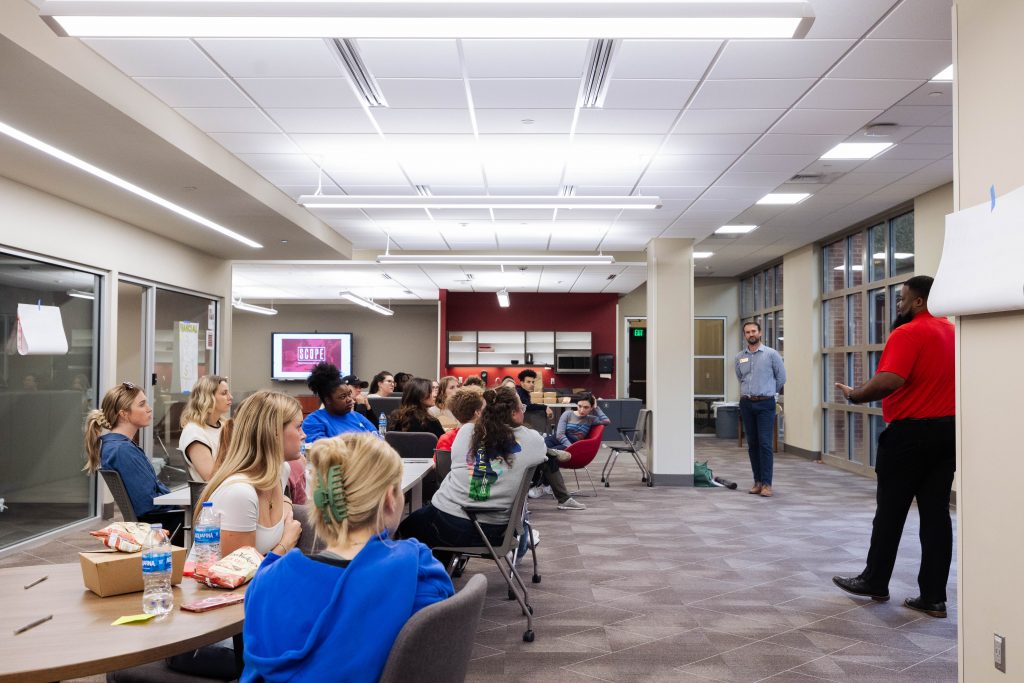
The Student Community Engagement Center houses student organizations from UA colleges and schools that have demonstrated an interest in connecting their efforts to community engagement.
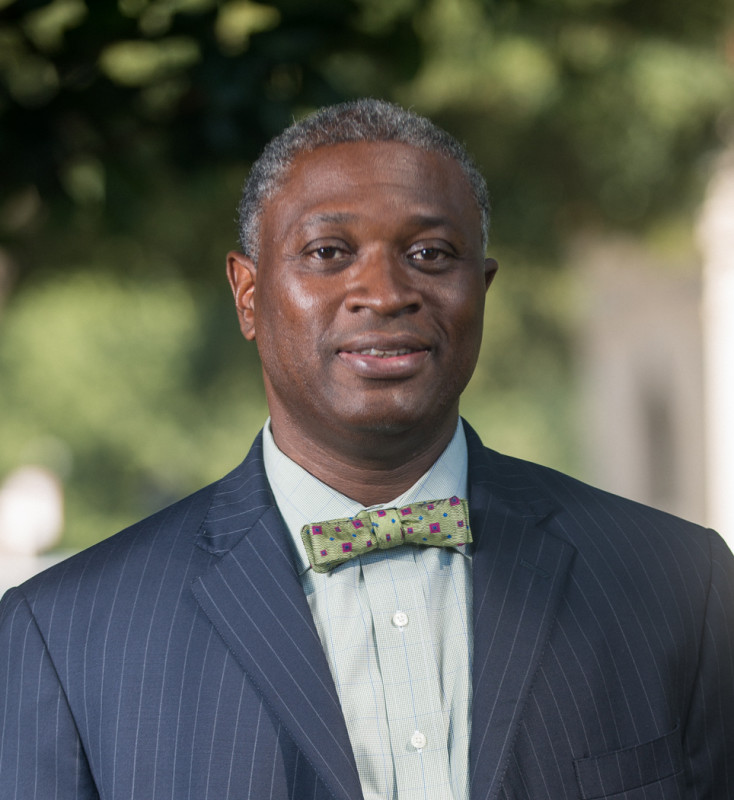
Dr. Samory T. Pruitt is the immediate past president of the Board of Directors of the Engagement Scholarship Consortium, an international group of colleges and universities that promote engaged scholarship.


2026 Realizing the Dream Legacy Banquet and Concert
The Realizing the Dream planning committee, comprised of representatives from Shelton State, Stillman College, the Tuscaloosa Chapter of the Southern Christian Leadership Conference and The University of Alabama (UA), has announced the 2026 Realizing the Dream theme and activities.
The 2026 theme is “Realizing the Dream Through Faith and Action.”
On Friday, Jan. 16, at 6:30 p.m., the 17th Legacy Awards Banquet will take place in Sellers Auditorium at the Bryant Conference Center on the UA campus. Alfre Woodard, whose work as an actor has spanned more than 50 years, will be the banquet speaker.
Smokie Norful, a world-renowned pastor and award-winning recording artist, will be the featured artist for the 2026 Realizing the Dream Concert on Sunday, Jan. 18, at 7:30 p.m. at UA’s Moody Music Concert Hall.
2025 PARENT TEACHER LEADERSHIP ACADEMY
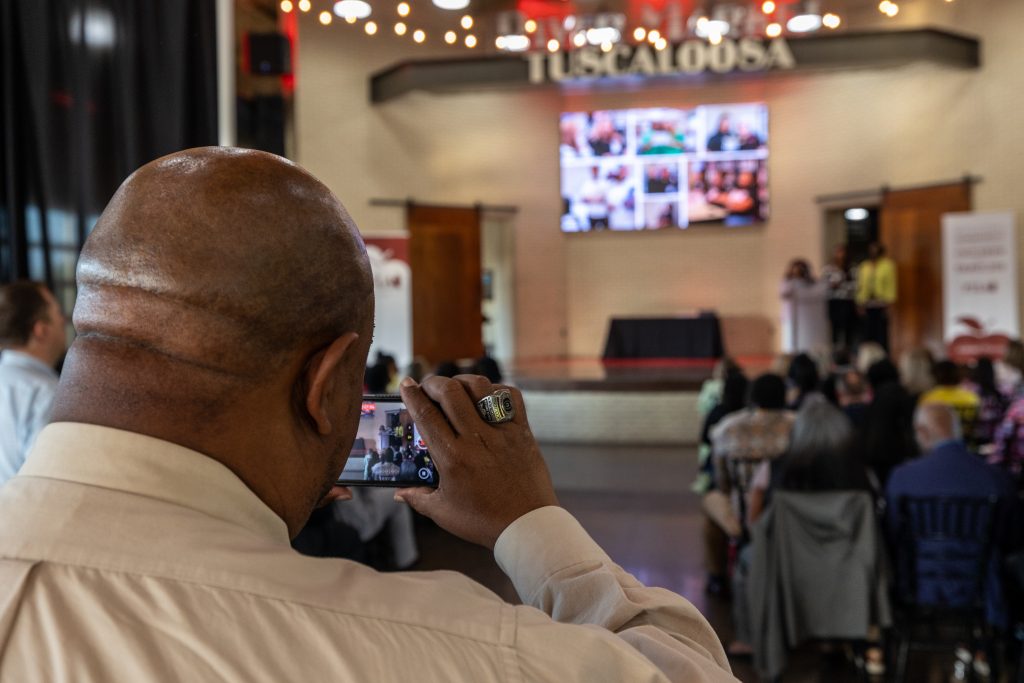
The Parent Teacher Leadership Academy (PTLA) celebrated the graduation of its 2024-2025 class April 10 at the Tuscaloosa River Market. Parents and teachers from 37 schools joined the celebration.
STUDENT TO SCHOLAR
At The University of Alabama, we define the scholarship of engagement as a partnership that joins together the specialized knowledge of the campus with the practical knowledge of the public to solve critical problems of interest to both. Learn more about the student group SCOPE (Scholars for Community Outreach, Partnership, and Engagement).

COMMUNITY AFFAIRS BOARD OF ADVISORS
Formed in early 2016, the Community Affairs Board of Advisors is comprised of young alumni who possess a commitment to community engagement and student success.
Center for Community-Based Partnerships (CCBP)
The Center’s vision is of a University whose resources and strengths are made available through partnerships in communities throughout the state, nation and world to help solve society’s critical problems.
Council on Community-Based Partnerships
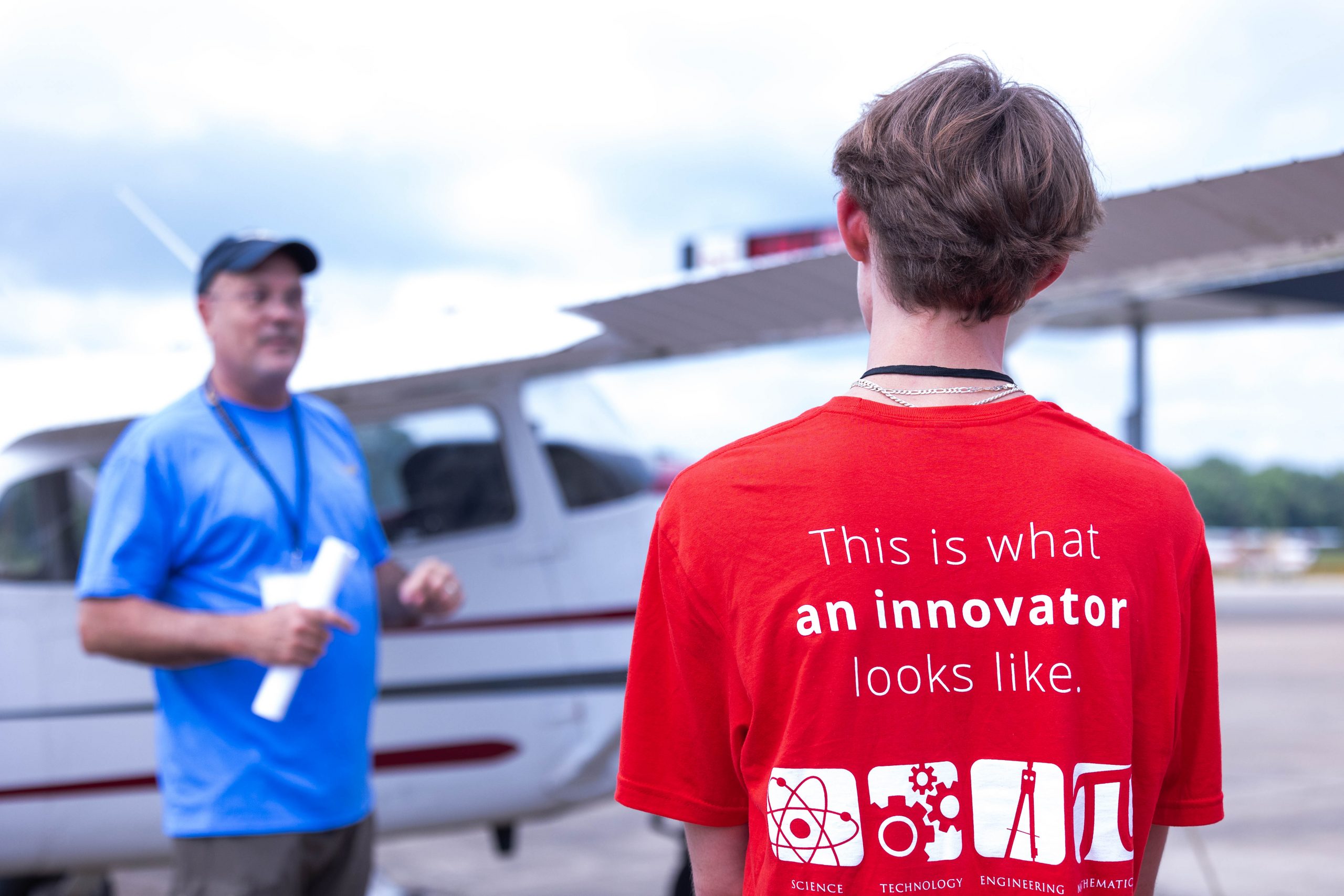
The Council connects faculty, staff, students and community partners in research-based projects designed to solve critical problems identified collaboratively by community members and the University.
Community Collaborations
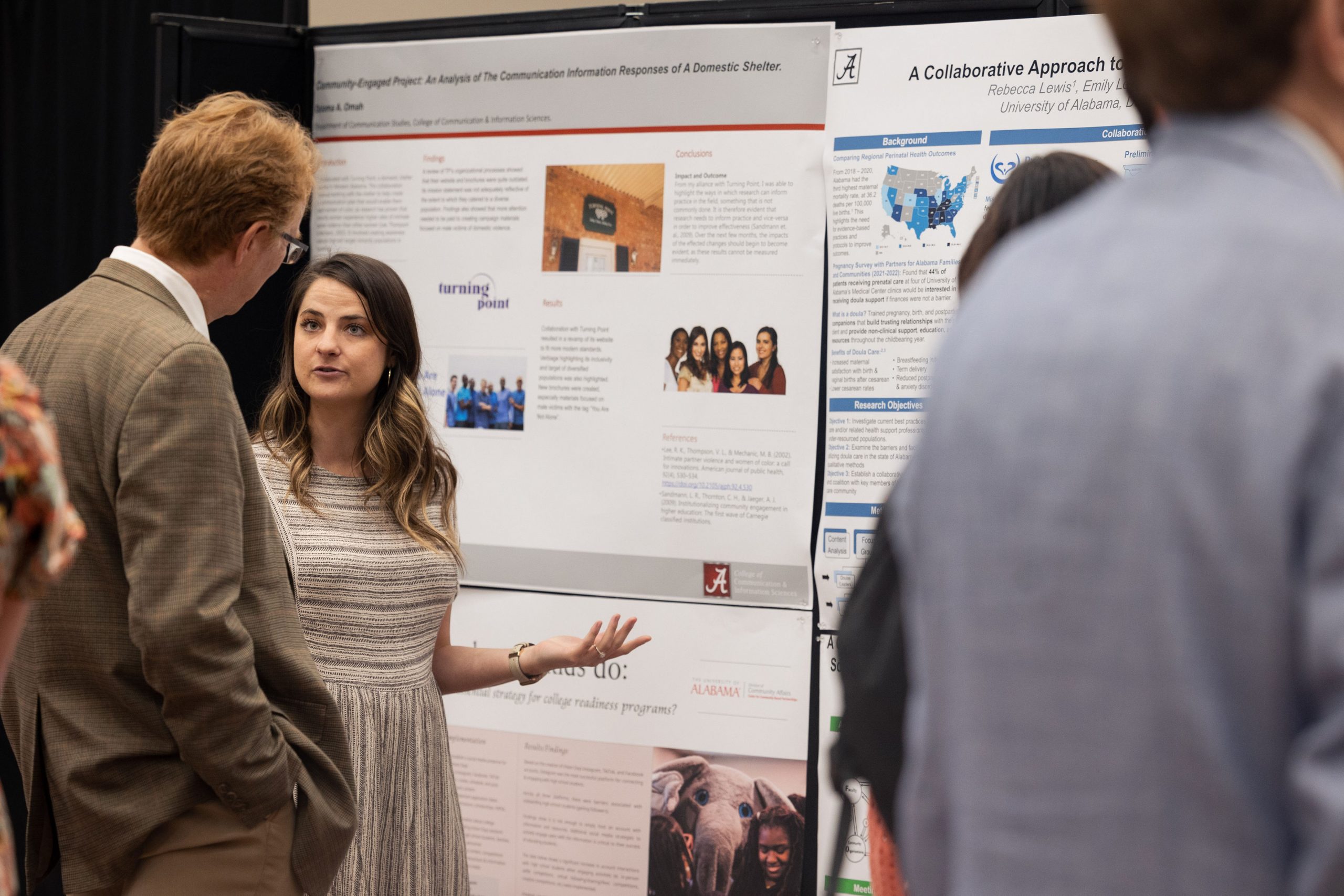
Community collaborations bring together different parts of the community in ways that are beneficial to both the community and the University.
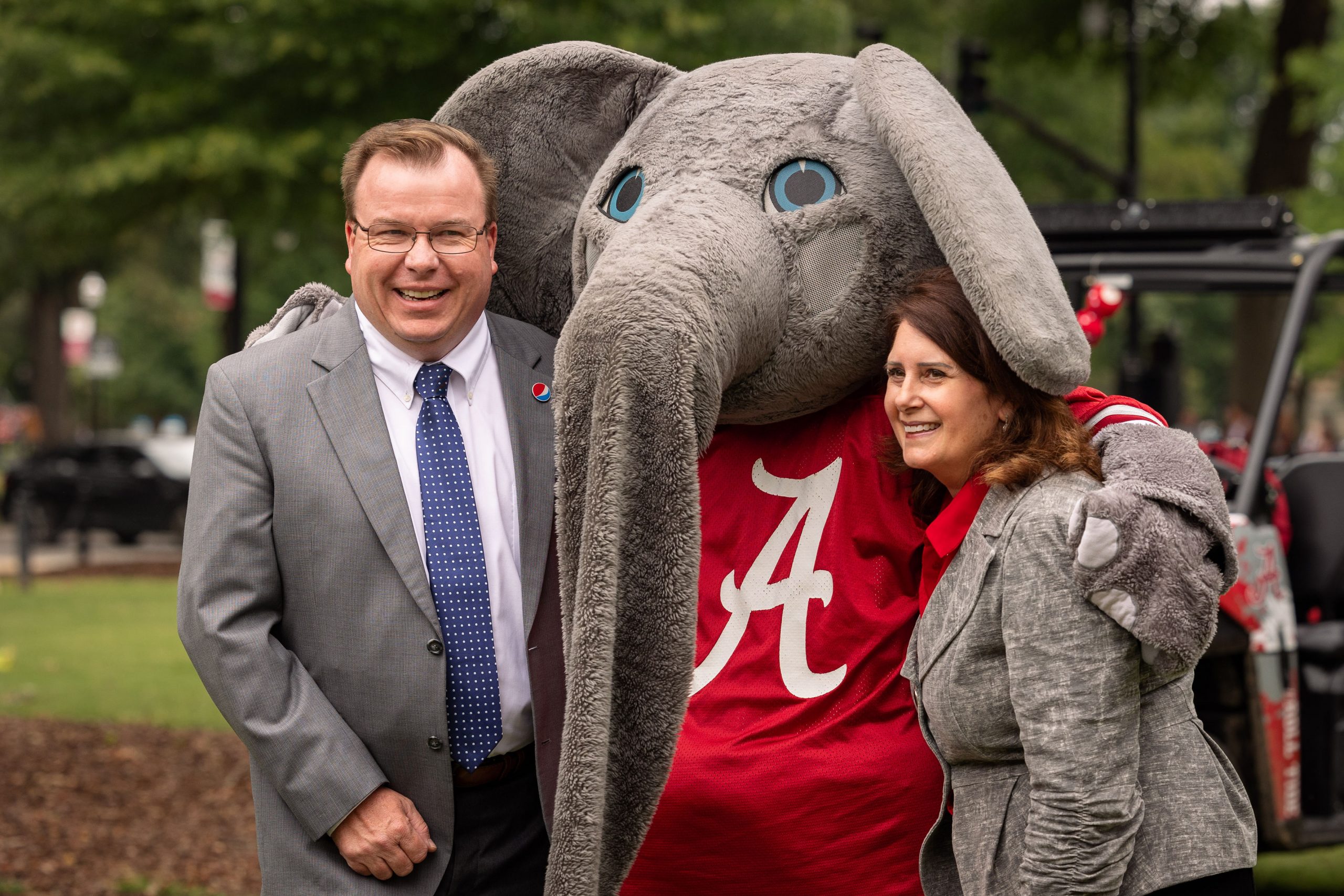
Crossroads Civic Engagement Center
The Crossroads Civic Engagement Center develops the civic capacity of campus and community members in ways that foster a thriving democratic society at the Capstone and beyond.
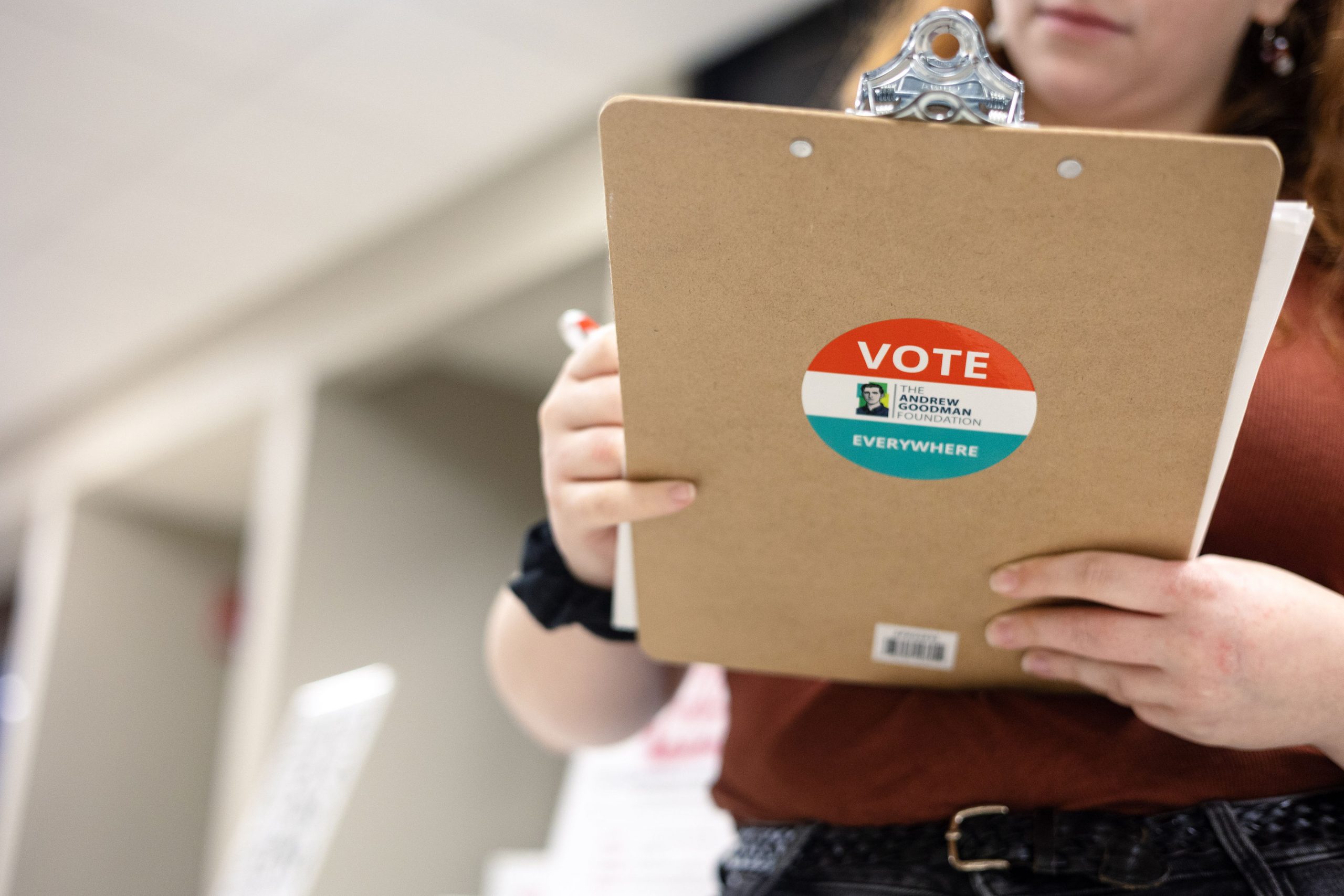
Journal of Community Engagement and Scholarship
The Journal of Community Engagement and Scholarship (JCES) is a peer-reviewed international journal through which faculty, staff, students, and community partners disseminate scholarly works.
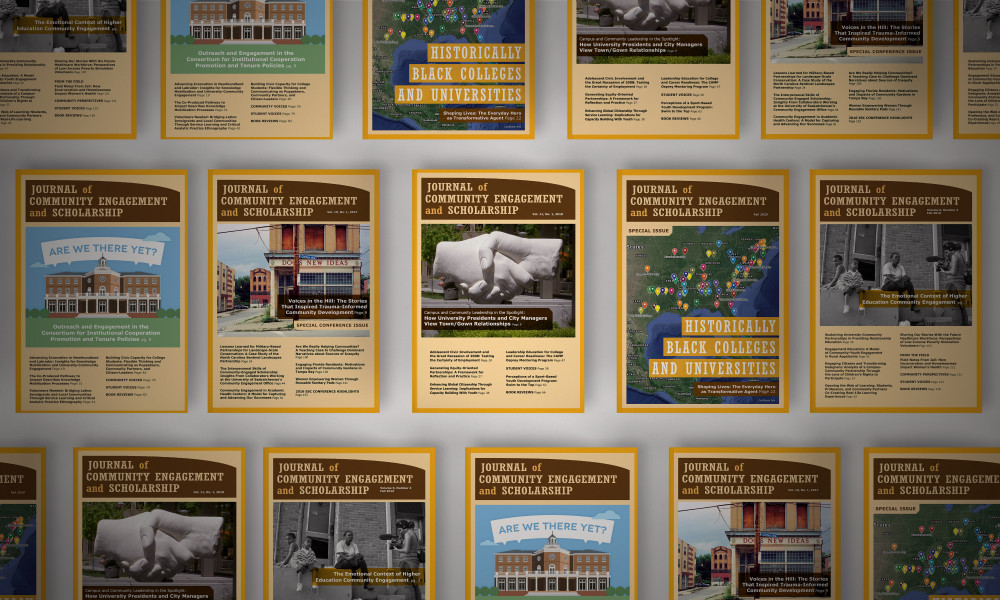
COMMUNITY AFFAIRS NEWS
- Crossroads Community Center’s Lane McLelland honored with National Dialogue Award

- Danny Glover Shares His Civil Rights Story at Legacy Banquet
- Legacy Awards Banquet Recognizes Three for Servant Leadership
- PTLA 2024 Graduation Recognizes Parent-Educator Initiatives
- 2024 Engaged Scholarship Showcase Emphasizes Community-Engaged Teaching and Research
- Council Recognizes Outstanding Engaged Scholarship in 18th Annual Excellence Awards
A Message from the Vice President
This message is intended for our friends and partners both on and off campus. We hope you will visit the site often, for it is our most important communication tool in our dual role as UA’s leader in engaged scholarship and intercultural relations.
While the terms “scholarship of engagement” or “engaged scholarship” — the terms are interchangeable — have been around for years, they may not be familiar to everyone. They were first used by Ernest Boyer in a 1996 article published in the Journal of Higher Education Outreach and Engagement as Boyer sought nothing less than to redefine the role of higher education. He advocated a move away from scholarship as the “application of academic expertise” to a scholarship that creates partnerships between higher education institutions and communities. He further argued that engaged scholarship integrates the often-conflicting faculty roles of teaching, research and service, seeing them instead as different aspects of a common purpose. Since Boyer, engaged scholarship has come to mean collaboration between knowledge professionals on campuses and the lay public for mutual benefit.